
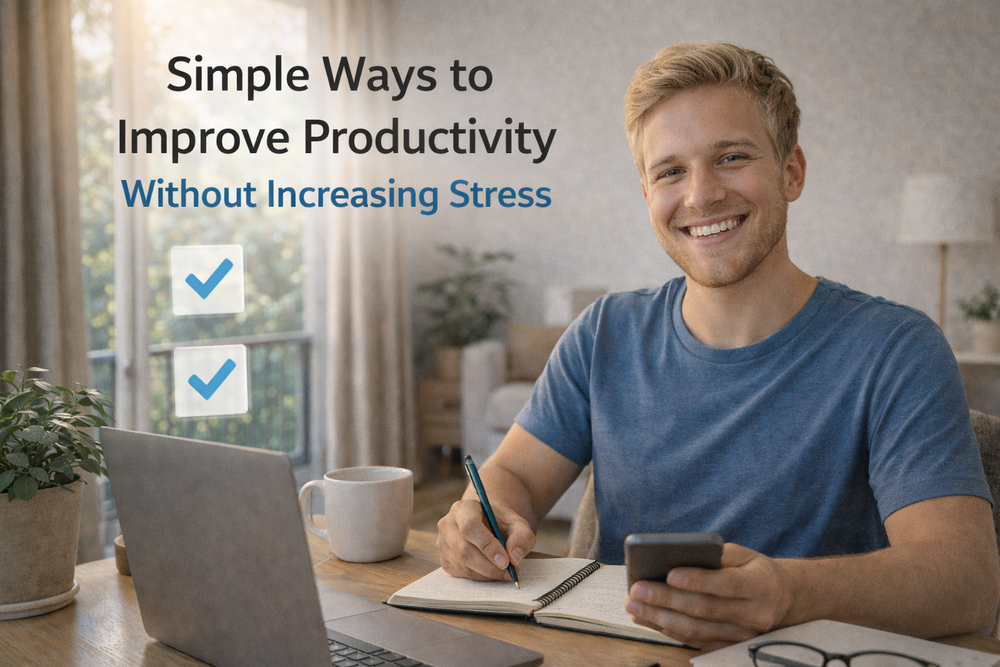
Building healthier daily habits does not require drastic changes or rigid routines. In most cases, lasting habits are created through small, intentional actions that fit naturally into everyday life. When habits feel realistic and flexible, they are easier to maintain and more effective over time.
This article explores simple and practical ways to build healthier daily habits that support physical, mental, and emotional well-being without pressure or extremes.
Understanding How Habits Are Formed
Habits are built through repetition and consistency, not motivation alone. Small actions repeated daily gradually become automatic behaviors.
Rather than focusing on big goals, understanding the process of habit formation helps you create routines that feel natural and sustainable.
Start with One Small Habit at a Time
Trying to change many habits at once can feel overwhelming and lead to frustration. Starting with one small habit increases the chances of success.
Choosing a habit that feels manageable—such as drinking more water or stretching briefly—helps build confidence and momentum.
Attach New Habits to Existing Routines
One effective way to build habits is to connect them to actions you already do every day.
For example, stretching after brushing your teeth or taking a short walk after lunch helps integrate new habits into your routine without extra effort.
Focus on Consistency Over Intensity
Consistency is more important than intensity when building habits. Doing something small every day creates stronger results than doing something intense occasionally.
Even on busy days, maintaining a simplified version of your habit helps reinforce the routine.
Make Habits Easy and Accessible
The easier a habit is, the more likely you are to maintain it. Reducing obstacles helps support consistency.
Keeping water nearby, setting reminders, or preparing healthy options in advance makes healthy habits more accessible throughout the day.
Use Gentle Movement as a Daily Habit
Daily movement supports physical comfort and overall well-being. It does not need to be structured or time-consuming.
Walking, stretching, or changing positions during the day helps reduce stiffness and supports long-term physical health.
Create Healthy Eating Awareness
Healthy eating habits start with awareness rather than restriction. Paying attention to how food makes you feel helps guide better choices.
Eating regularly, avoiding distractions during meals, and listening to your body’s signals support a balanced relationship with food.
Build Habits That Support Mental Well-Being
Mental habits are just as important as physical ones. Creating moments of mental rest and reflection supports emotional balance.
Practices such as pausing, breathing deeply, or writing down thoughts help reduce mental clutter and improve clarity.
Set Realistic Expectations
Unrealistic expectations can lead to discouragement. Healthy habits grow best when expectations are flexible and compassionate.
Accepting that progress may be gradual helps maintain motivation and reduces unnecessary pressure.
Track Progress Without Pressure
Tracking habits can help increase awareness and motivation. However, tracking should feel supportive, not stressful.
Noticing consistency over time, rather than perfection, helps maintain a positive mindset toward habit-building.
Create a Supportive Environment
Your environment plays a significant role in habit formation. A supportive environment makes healthy choices easier.
Organizing your space, reducing distractions, and creating reminders help reinforce positive habits naturally.
Allow Flexibility in Your Routine
Life changes, and habits should adapt accordingly. Flexibility prevents habits from becoming rigid or stressful.
Allowing adjustments when routines change helps maintain long-term consistency without guilt.
Celebrate Small Wins
Recognizing small achievements helps reinforce positive behavior. Celebrating progress builds motivation and self-confidence.
Acknowledging even minor improvements encourages consistency and makes habit-building more enjoyable.
Build Habits with Patience and Self-Respect
Healthy habits are built over time, not overnight. Patience and self-respect are essential throughout the process.
Avoiding self-criticism and focusing on gradual improvement supports long-term success and emotional well-being.
Creating a Lifestyle of Healthy Habits
Building healthier daily habits is about creating a lifestyle that supports balance, comfort, and sustainability.
By focusing on small actions, consistency, and flexibility, healthy habits become a natural part of daily life—supporting long-term well-being without pressure or extremes.